
Chef and Cook are two of the most commonly sponsored occupations in Australia, and also two of the most commonly refused. Restaurants, cafés, hotels and catering businesses regularly nominate overseas workers for the Skills in Demand (subclass 482) and Employer Nomination Scheme (subclass 186) visas, but many nominations fail because the business cannot show that the position is genuine, that the kitchen structure needs a Chef or a Cook, or that the duties match the occupation.
This guide explains the ANZSCO definitions of Chef and Cook, the kitchen hierarchy the Department of Home Affairs expects to see, the evidence that supports a strong nomination, and the most common mistakes that lead to refusals.

Chef or Cook? The ANZSCO definitions
Chef and Cook are two different occupations with different skill levels and duties. Choosing the wrong one is the first common mistake.
| Chef (ANZSCO 351311) | Cook (ANZSCO 351411) | |
|---|---|---|
| Unit group | 3513 Chefs | 3514 Cooks |
| Definition | Plans and organises the preparation and cooking of food in a dining or catering establishment | Prepares, seasons and cooks food in a dining or catering establishment |
| Skill level | Skill Level 2: AQF Associate Degree, Advanced Diploma or Diploma, or at least three years of relevant experience | Skill Level 3: AQF Certificate III including at least two years of on-the-job training, or AQF Certificate IV, or at least three years of relevant experience |
| Specialisations | Chef de Partie, Commis Chef, Demi Chef, Second Chef, Sous Chef | None listed |
| Focus of the role | Planning, organising, supervising and quality control, as well as cooking | Hands-on preparation and cooking |
ANZSCO tasks of a Chef (Unit Group 3513)
- planning menus, estimating food and labour costs, and ordering food supplies
- monitoring quality of dishes at all stages of preparation and presentation
- discussing food preparation issues with Managers, Dietitians and kitchen and waiting staff
- demonstrating techniques and advising on cooking procedures
- preparing and cooking food
- explaining and enforcing hygiene regulations
- may select and train staff
- may freeze and preserve foods
ANZSCO tasks of a Cook (Unit Group 3514)
- examining foodstuffs to ensure quality
- regulating temperatures of ovens, grills and other cooking equipment
- preparing and cooking food
- seasoning food during cooking
- portioning food, placing it on plates, and adding gravies, sauces and garnishes
- storing food in temperature controlled facilities
- preparing food to meet special dietary requirements
- may plan menus and estimate food requirements
- may train other kitchen staff and apprentices
ANZSCO also excludes Fast Food Cooks and Kitchenhands from both groups. They belong to Minor Group 851 Food Preparation Assistants. A role that mainly involves reheating, assembling or frying pre-prepared food is unlikely to be accepted as a Chef or Cook.
In short: a Chef has a planning, supervisory and managerial role in the kitchen as well as cooking, while a Cook mainly prepares and cooks the food.
The business must be a genuine dining or catering establishment
Both definitions refer to a dining or catering establishment. This has three important consequences:
- Food production factories: a Chef or Cook position in a food manufacturing or production factory, such as a plant producing packaged meals, sauces or bakery products for wholesale, does not fit the ANZSCO definition and is unlikely to be approved. Those roles usually belong to other occupations.
- Cafés, takeaways and small venues: a café or small restaurant can sponsor a Chef or Cook, but the Department looks closely at whether the menu, the kitchen and the trading hours genuinely need a skilled Chef or Cook. A venue that mainly sells coffee, toasties, cakes bought in from suppliers or reheated meals will find it very hard to justify the position.
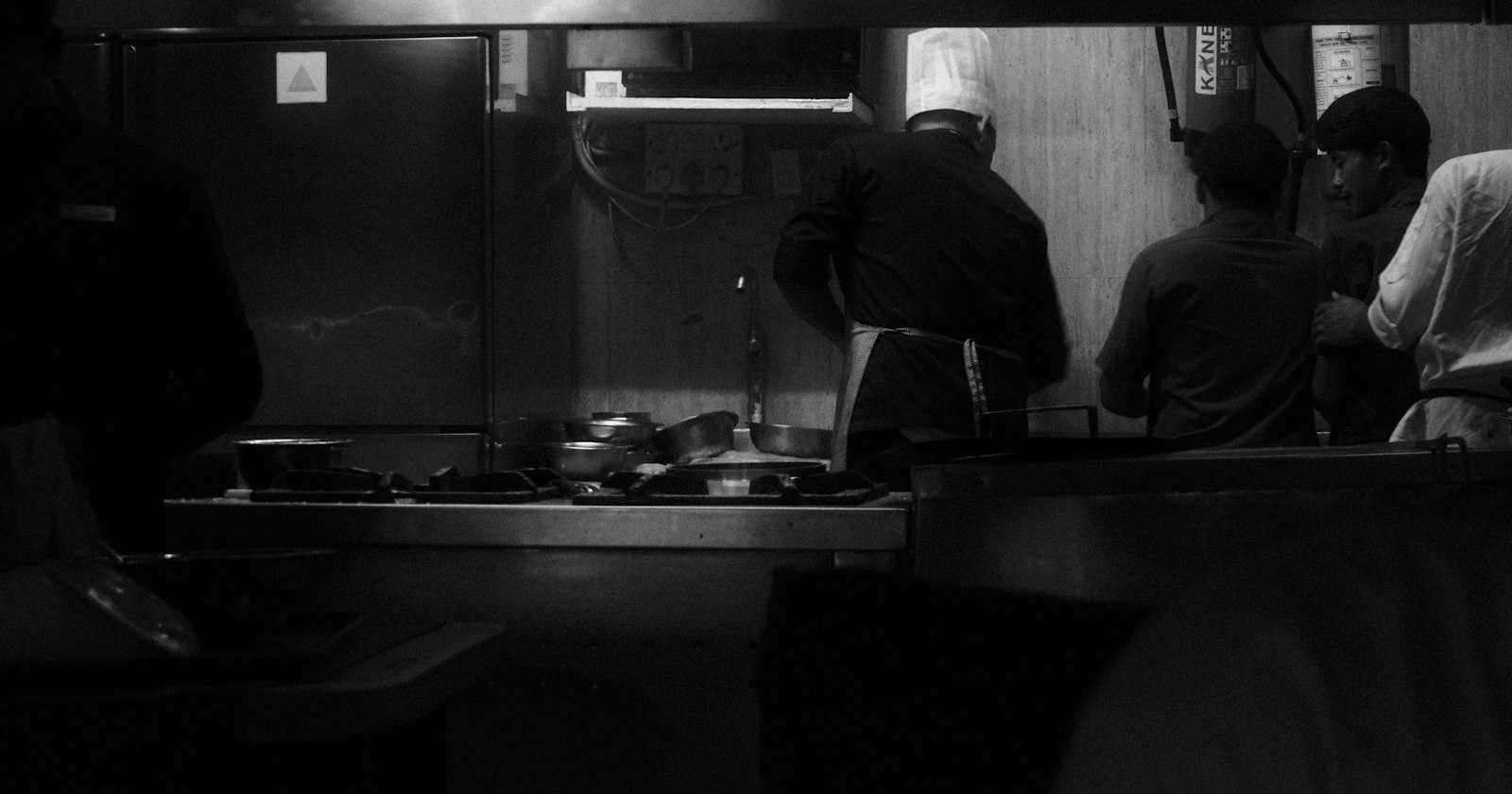
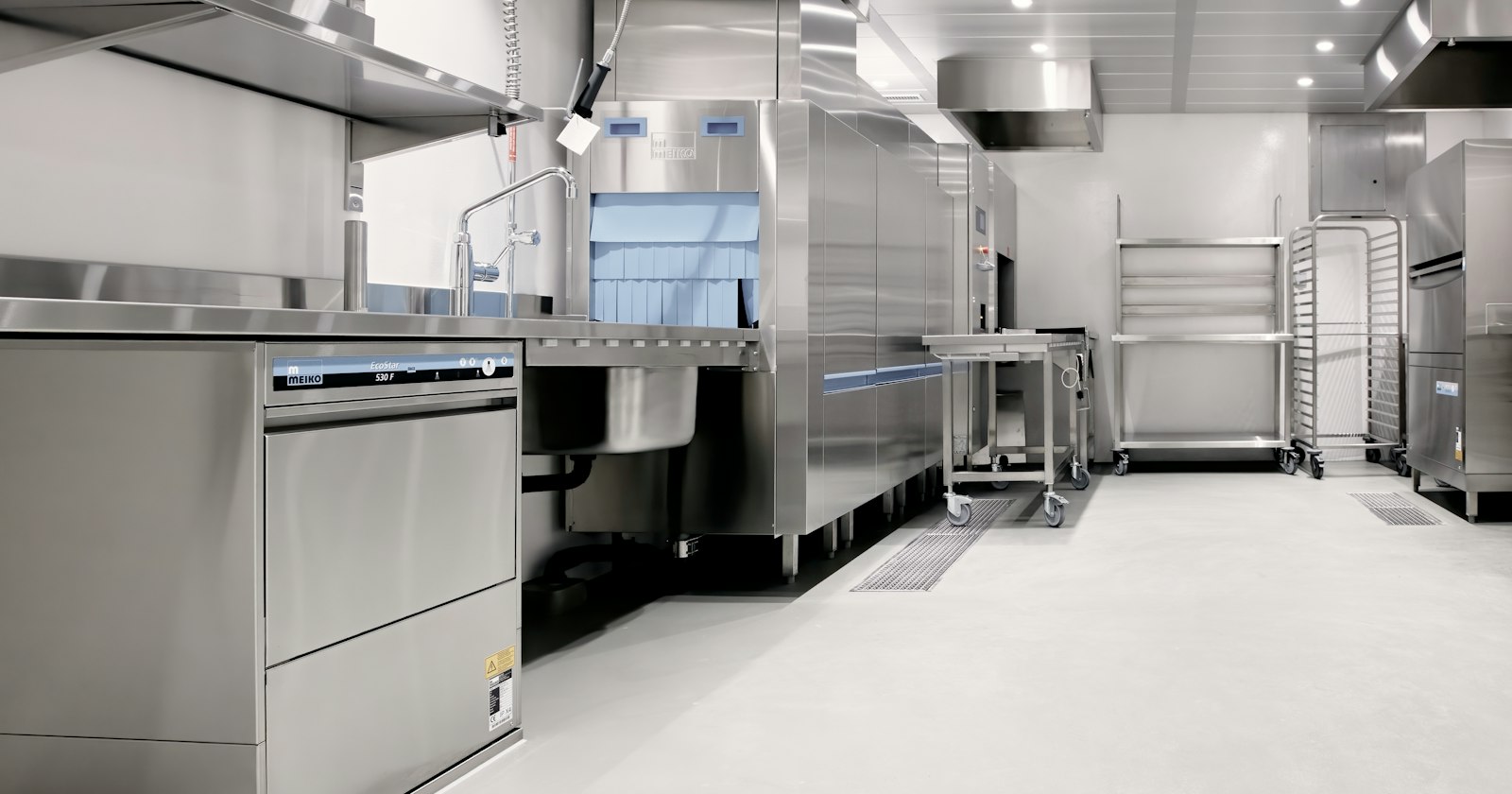
- A commercial kitchen: the business must operate a properly equipped commercial kitchen, registered with the local council as a food business, where meals are prepared and cooked on site from fresh ingredients.
Show a clear kitchen hierarchy
One of the most important parts of a Chef or Cook nomination is the organisational structure of the kitchen. The hierarchy depends on the size and complexity of the business, but a typical structure looks like this:
| Position | Typical role | ANZSCO occupation |
|---|---|---|
| Executive Chef / Head Chef | Leads the kitchen, plans menus, controls food and labour costs, manages and trains staff | Chef (351311) |
| Sous Chef / Second Chef | Second in charge, runs the kitchen when the Head Chef is off, supervises sections | Chef (351311) |
| Junior Sous Chef | Supports the Sous Chef, supervises shifts | Chef (351311) |
| Chef de Partie | In charge of a section, such as grill, sauce, pastry or larder | Chef (351311) |
| Demi Chef | Assists the Chef de Partie in a section | Chef (351311) |
| Commis Chef | Junior chef working under the section chefs | Chef (351311) |
| Cook | Prepares and cooks dishes | Cook (351411) |
| Kitchenhand | Cleaning, washing up, basic food preparation | Kitchenhand (Minor Group 851) |
Show the front-of-house structure too, for example the Restaurant Manager, Supervisor, Sommelier, Bartender and waiting staff, so the Department can see the whole business and how the kitchen fits into it.
Questions the Department may ask about the hierarchy
- “Why do you need another Chef?” If the business already employs a Head Chef or Sous Chef, explain clearly how the nominated position is different: for example, a Chef de Partie responsible for the grill section, or a Sous Chef who runs the evening service.
- “Who does the cooking?” If the business nominates a Chef but has no Cooks or junior chefs, the Department may argue that the role is really a Cook position, or that the position is not genuine because there is no one for the Chef to plan, organise or supervise.
- “Why a Cook and not a Kitchenhand?” Show that the menu requires real cooking skills: preparing dishes from fresh ingredients, cooking techniques, sauces and dietary requirements.
Explain why the business needs the position
A strong nomination explains the business need with facts and numbers. For example:
- Trading hours: the venue trades seven days a week, for breakfast, lunch and dinner, which cannot be covered by one Chef working a 38-hour full-time week.
- Rosters: current and proposed rosters show multiple shifts and who covers each section on each shift.
- Volume: covers served per day or week, functions and catering orders, and sales growth.
- Menu complexity: an à la carte menu with dishes prepared from fresh ingredients, specials and dietary options.
- Expansion: a new venue, extended trading hours or a new menu that requires more skilled staff.
Evidence that makes a Chef or Cook nomination easier to approve
| Evidence | Why it matters |
|---|---|
| Menu (current, with prices) | Shows the complexity of the food and that dishes are cooked on site |
| Genuine position statement | Explains why the position exists, where it sits in the hierarchy and why it cannot be filled locally |
| Position descriptions for all kitchen staff | Shows the difference between each Chef, Cook and Kitchenhand role, so the nominated position is clearly distinct |
| Organisational chart | Shows the kitchen and front-of-house hierarchy with names and positions |
| Rosters and trading hours | Justifies the number of Chefs and Cooks needed to cover every shift |
| Photos of the commercial kitchen and council food business registration | Shows a genuine commercial kitchen |
| Financial documents (BAS, profit and loss, sales reports) | Shows the business can afford the salary and has enough trade |
| Employment contract | Must match the nomination and comply with the award and Australian workplace laws |
| Labour market testing evidence | Shows genuine attempts to recruit Australians for the same position |
Labour market testing must match the position
Labour market testing (LMT) must be for the same position you are nominating. The advertisements should use the same job title and occupation, describe the same duties and skill level, and show the salary. An advertisement for a “Cook” cannot support a nomination for a “Chef”, and an advertisement for a “Kitchenhand” cannot support either. Keep evidence of all applications received and why applicants were not suitable.
Salary and award
The salary must be at least the annual market salary rate and the relevant income threshold, and it must match the correct classification under the applicable award, such as the Restaurant Industry Award or the Hospitality Industry (General) Award, for a qualified Chef or Cook. Read our guide on how to determine the annual market salary rate.
Common mistakes that lead to refusals
- Nominating the wrong occupation: nominating a Chef when the duties are a Cook’s, or a Cook when the duties are a Kitchenhand’s or a Fast Food Cook’s.
- No commercial kitchen: the business does not prepare and cook meals on site, or the kitchen is too small for the claimed operation.
- A food factory rather than a dining or catering establishment: the position is in food production or manufacturing.
- A simple menu: the menu does not need the skills of a Chef or Cook.
- No clear hierarchy: a Chef with no one to supervise, or several Chefs with no explanation of how their roles differ.
- Copied position descriptions: the nominated Chef’s duties are copied from ANZSCO without explaining what the person will actually do in this kitchen.
- Trading hours that do not need the position: a venue that opens for limited hours cannot justify several full-time Chefs.
- Labour market testing that does not match: wrong title, wrong duties, no salary, or advertisements outside the required time.
- Salary problems: paying below the market rate or using the wrong award classification.
- The worker’s experience does not match: the nominee’s previous jobs do not show the skills of a Chef or Cook at the required level.
Frequently asked questions
Can a café sponsor a Chef?
Yes, if the café operates a genuine commercial kitchen, its menu requires a Chef’s skills, and the trading hours and kitchen structure justify the position. Cafés with a simple menu find it much harder.
What is the difference between a Chef and a Cook for a visa?
A Chef (351311, Skill Level 2) plans and organises food preparation and supervises staff as well as cooking. A Cook (351411, Skill Level 3) mainly prepares, seasons and cooks food.
Can a food factory sponsor a Chef or Cook?
Generally no. ANZSCO defines Chefs and Cooks as working in dining or catering establishments, so a position in a food production factory is unlikely to fit these occupations.
Is a Sous Chef or Chef de Partie nominated as a Chef?
Yes. Sous Chef, Second Chef, Chef de Partie, Demi Chef and Commis Chef are specialisations of Chef (351311).
Get help with a Chef or Cook nomination
Sleek Migration is led by Dr Majid Panahandeh Fard, Registered Migration Agent (MARN 2418637). We prepare Chef and Cook nominations for restaurants, cafés, hotels and catering businesses, including the genuine position statement, position descriptions, organisational charts, labour market testing and award-compliant employment contracts.
Contact us: 2703/31 A’Beckett Street, Melbourne VIC 3000 | info@sleekmigration.com | Book a consultation
ANZSCO descriptions are from the Australian Bureau of Statistics ANZSCO classification. This article is general information only and is not legal or migration advice. Every nomination is assessed by the Department of Home Affairs on its own facts. Information checked November 2026.