
Australian abattoirs and meat processing plants need skilled meat workers: experienced boners, slicers and slaughterers who work on the kill floor and in the beef boning room and lamb boning room. Many processors sponsor overseas and temporary-visa workers to fill these jobs. This guide explains the visa options, the occupation codes, the duties of a Skilled Meat Worker under the Meat Industry Labour Agreement, what employers look for, and how to apply for abattoir jobs with visa sponsorship.
Skilled meat workers are not labourers
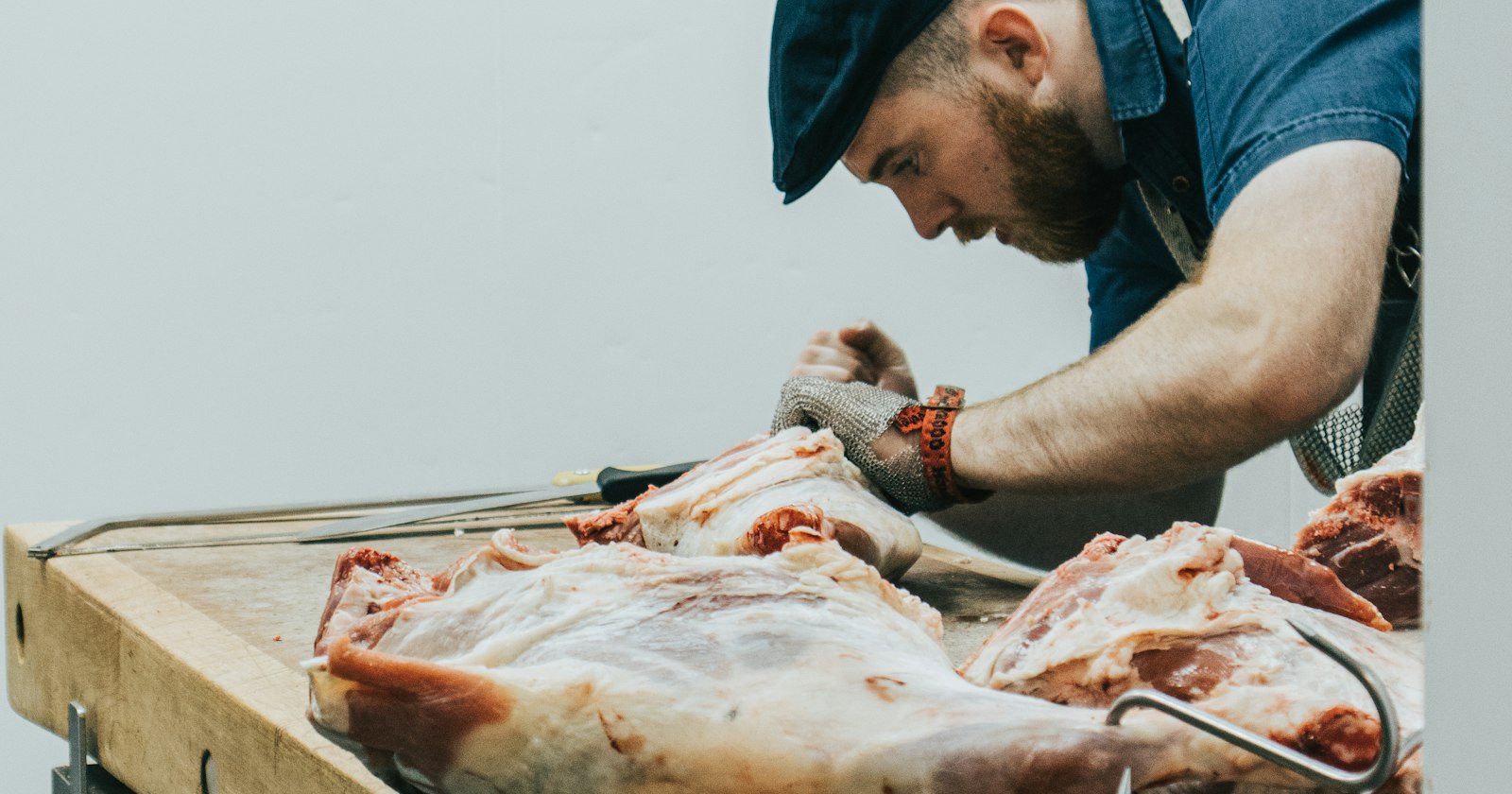
A Skilled Meat Worker is a skilled knife hand, not a general labourer. Skilled meat workers work on the kill floor (slaughter floor) or in the boning room, where they use knives and equipment to slaughter, dress, bone and slice carcases to export and food safety standards. This skill is what employers sponsor under the Meat Industry Labour Agreement (MILA).
Other areas of an abattoir, such as the offal room, hide and skin room, rendering plant, cold store, freezer and load-out, are important to the plant, but work in these areas is usually process work or labouring, not Skilled Meat Worker work.
| Area of the abattoir | Typical work | Skilled Meat Worker (MILA)? |
|---|---|---|
| Kill floor (slaughter floor) | Stunning, sticking, hide removal, evisceration, carcase dressing and trimming | Yes: skilled slaughterers and kill floor knife hands |
| Beef boning room | Boning beef forequarters and hindquarters, cutting primals such as rumps, briskets, chucks and striploins | Yes: skilled beef boners and slicers |
| Lamb boning room | Boning and slicing lamb and mutton carcases, legs, shoulders and loins | Yes: skilled lamb boners and slicers |
| Offal room | Processing and packing offal | Generally process work |
| Hide and skin room | Handling, salting and storing hides and skins | Generally process work |
| Rendering plant | Processing by-products into tallow and meal | Generally process work |
| Cold store, chillers and freezers | Storing, palletising and loading cartons and carcases | Generally labouring and storage work |
| Packing and load-out | Packing, labelling and loading product | Generally process work |
Skilled Meat Worker duties under the Meat Industry Labour Agreement
The Meat Industry Labour Agreement describes the duties of a Skilled Meat Worker as follows:
- stuns and kills livestock;
- prepares carcasses for further processing by removing internal organs and hides;
- operates switching controls to direct and drop carcasses and meat cuts from supply rails to boning tables;
- cuts meat to separate meat, fat and tissue from around bones;
- washes, scrapes and trims foreign material and blood from meat;
- cuts sides and quarters of meat into standard meat cuts, such as rumps, flanks and shoulders, and removes internal fat, blood clots, bruises and other matter to prepare them for packing and marketing;
- operates restrainer and stunning equipment;
- severs jugular veins of stunned animals to drain blood and facilitate dressing;
- trims and removes head meat and severs animal heads;
- slits open, eviscerates and trims animal carcasses;
- and may slaughter livestock according to procedures required by religious customs.
Your employment contract, position description and statement of service should reflect these skilled duties, and they must match the work you really do.
Meat worker occupations and ANZSCO codes
| Job | Occupation (ANZSCO) | Main sponsorship route |
|---|---|---|
| Boner, slicer, knife hand (beef or lamb boning room) | Meat Boner and Slicer (831211) | Meat Industry Labour Agreement (as Skilled Meat Worker) or a DAMA |
| Slaughterer, slaughterperson, kill floor operator | Slaughterer (831212) | Meat Industry Labour Agreement (as Skilled Meat Worker) or a DAMA |
| Skilled boner, slicer or slaughterer in an approved meat processing establishment | Skilled Meat Worker (070499, labour agreement only) | Meat Industry Labour Agreement (MILA) |
| Retail butcher, smallgoods maker | Butcher or Smallgoods Maker (351211) | Standard 482 visa (Core Skills), with a TRA skills assessment |
Meat Boner and Slicer and Slaughterer are not on the Core Skills Occupation List, so an employer cannot sponsor them through the standard 482 visa. Abattoirs use the Meat Industry Labour Agreement, or a Designated Area Migration Agreement (DAMA) in some regional areas.
Visa options for boners, slicers and slaughterers
| Option | How it works | Pathway to permanent residency |
|---|---|---|
| Meat Industry Labour Agreement (MILA) | An approved meat processor sponsors you as a Skilled Meat Worker on the 482 visa (Labour Agreement stream) or the 494 regional visa | 186 visa after working for your sponsor, generally for three years |
| DAMA | An employer in a DAMA region sponsors you under that region’s agreement, often with concessions | Depends on the DAMA, usually 186 or 191 |
| Standard 482 (butchers only) | A business sponsors a qualified Butcher or Smallgoods Maker (351211) through the Core Skills stream | 186 visa, generally after two years |
Requirements under the Meat Industry Labour Agreement
| Requirement | What you need |
|---|---|
| Skills | Assessed as a skilled meat worker at a level comparable to a Certificate III in Meat Processing, by a MINTRAC-registered or Commonwealth-approved assessor |
| Experience | One year of skilled work on the kill floor or in the boning room of an Australian abattoir or meat processing establishment, or two years overseas |
| English | IELTS 5.0 overall with no band below 4.0, or an equivalent score in another accepted test |
| Salary | Full-time, at least the market rate and the Core Skills Income Threshold (CSIT), unless a regional concession applies |
| Job offer | A full-time position with an employer that has, or applies for, a MILA |
What abattoirs look for when they sponsor a worker
- Proven knife skills: speed, accuracy and yield on beef, lamb, mutton, goat or game meat;
- Chain experience: working safely at chain speed on the kill floor or in the boning room;
- Export and food safety standards: trimming, hygiene and quality control;
- Reliability: long-term commitment, because sponsorship is an investment for the employer; and
- Evidence: payslips, contracts, references and a short work video showing your skills.
Pay and working conditions in Australian abattoirs
Sponsored meat workers must be paid the same as Australian workers in the same role and at least the salary required by the visa. Under the MILA this is generally the Core Skills Income Threshold (CSIT), currently $79,423 a year from 1 July 2026, with a concession in some regional locations. Many plants also pay overtime, shift allowances or productivity bonuses under their enterprise agreement or the Meat Industry Award.
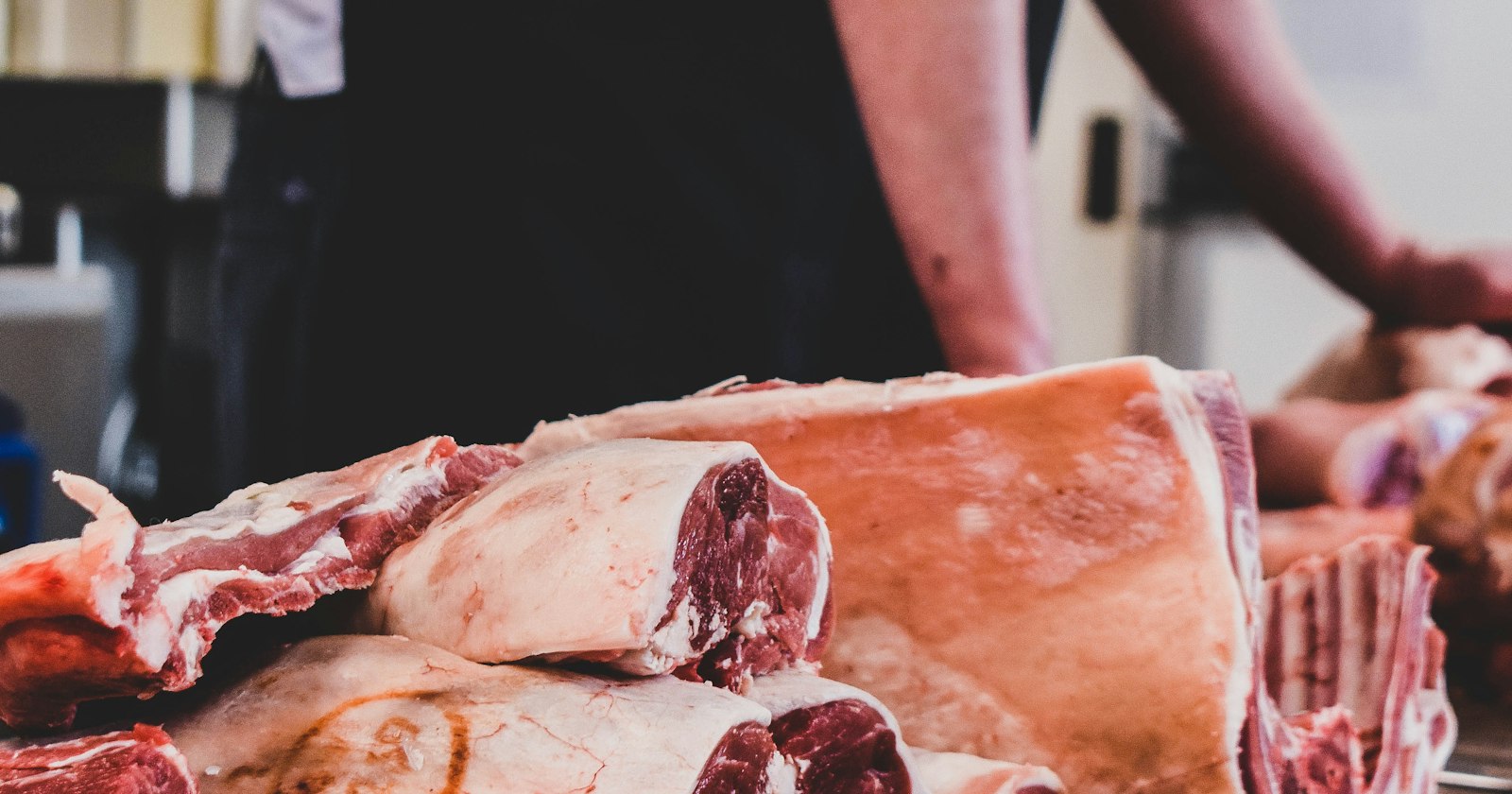
The work is physically demanding: early starts, chillers and cold rooms, repetitive knife work, protective equipment such as mesh gloves and aprons, and strict hygiene rules. Most abattoirs are in regional towns close to cattle and sheep farming areas.
Abattoir jobs with visa sponsorship: where we work
Sleek Migration works with meat processing employers in Rockhampton (Queensland), Swan Hill and Colac (Victoria), Adelaide (South Australia) and Perth (Western Australia). These employers process beef, lamb and game meat and are looking for experienced kill floor workers and beef and lamb boners and slicers.
How to apply
Email us at info@sleekmigration.com with:
- your resume, current visa type and expiry date;
- your meat processing experience: kill floor or boning room, beef or lamb, where you worked and for how long; and
- a video of about five minutes showing you at work (boning, slicing or on the kill floor).
Sleek Migration is not a recruitment agency. Where your profile suits their needs, we may refer you to meat processing employers, and we do not charge a fee for the referral. Interviews, job offers and sponsorship decisions are made by the employers, and every visa depends on you meeting the requirements.
Frequently asked questions
Is a skilled meat worker a labourer?
No. A Skilled Meat Worker is a skilled knife hand who works on the kill floor or in the beef or lamb boning room. Labouring roles such as packing, cold store, rendering and hide room work are generally not covered by the Meat Industry Labour Agreement.
Is Meat Boner and Slicer on the skilled occupation list?
No. Meat Boner and Slicer (831211) and Slaughterer (831212) are not on the Core Skills Occupation List. Sponsorship is usually through the Meat Industry Labour Agreement or a DAMA.
Can a butcher get a 482 visa?
Yes, possibly. Butcher or Smallgoods Maker (351211) is on the Core Skills Occupation List, so an employer can sponsor a qualified butcher through the standard 482 visa, usually with a skills assessment from Trades Recognition Australia (TRA).
Can a meat worker get permanent residency in Australia?
Yes. Under the Meat Industry Labour Agreement, a sponsored meat worker may apply for the 186 permanent visa after working for the sponsoring employer, generally for three years, if they meet the requirements.
How much experience do I need?
For the MILA, you need one year of skilled work in an Australian abattoir or meat processing establishment, or two years overseas.
Get advice from a Registered Migration Agent
Sleek Migration is led by Dr Majid Panahandeh Fard, Registered Migration Agent (MARN 2418637). We work with abattoirs, meat processors and meat workers on the Meat Industry Labour Agreement, DAMA, 482, 494 and 186 visas, and skills assessments. Employers can read our guide on how abattoirs sponsor meat workers.
Contact us: 2703/31 A’Beckett Street, Melbourne VIC 3000 | info@sleekmigration.com | Book a consultation
This article is general information only and is not legal or migration advice. Occupation lists, income thresholds and labour agreement terms change regularly. Information checked November 2026.