
NDIS providers across Australia need many frontline workers: support workers, disability support workers, personal care workers, carers and community workers who work directly with participants (clients) every day. Many of these workers are already in Australia on temporary visas, often with experience as a personal care assistant (PCA), assistant in nursing (AIN) or aged care worker, and providers want to keep them through employer sponsorship.
Unfortunately, many NDIS sponsorship applications are refused. This guide explains why, the most common mistakes in support worker visa sponsorship, and the pathways that actually work, including 482 visa sponsorship, labour agreements and regional sponsorship.
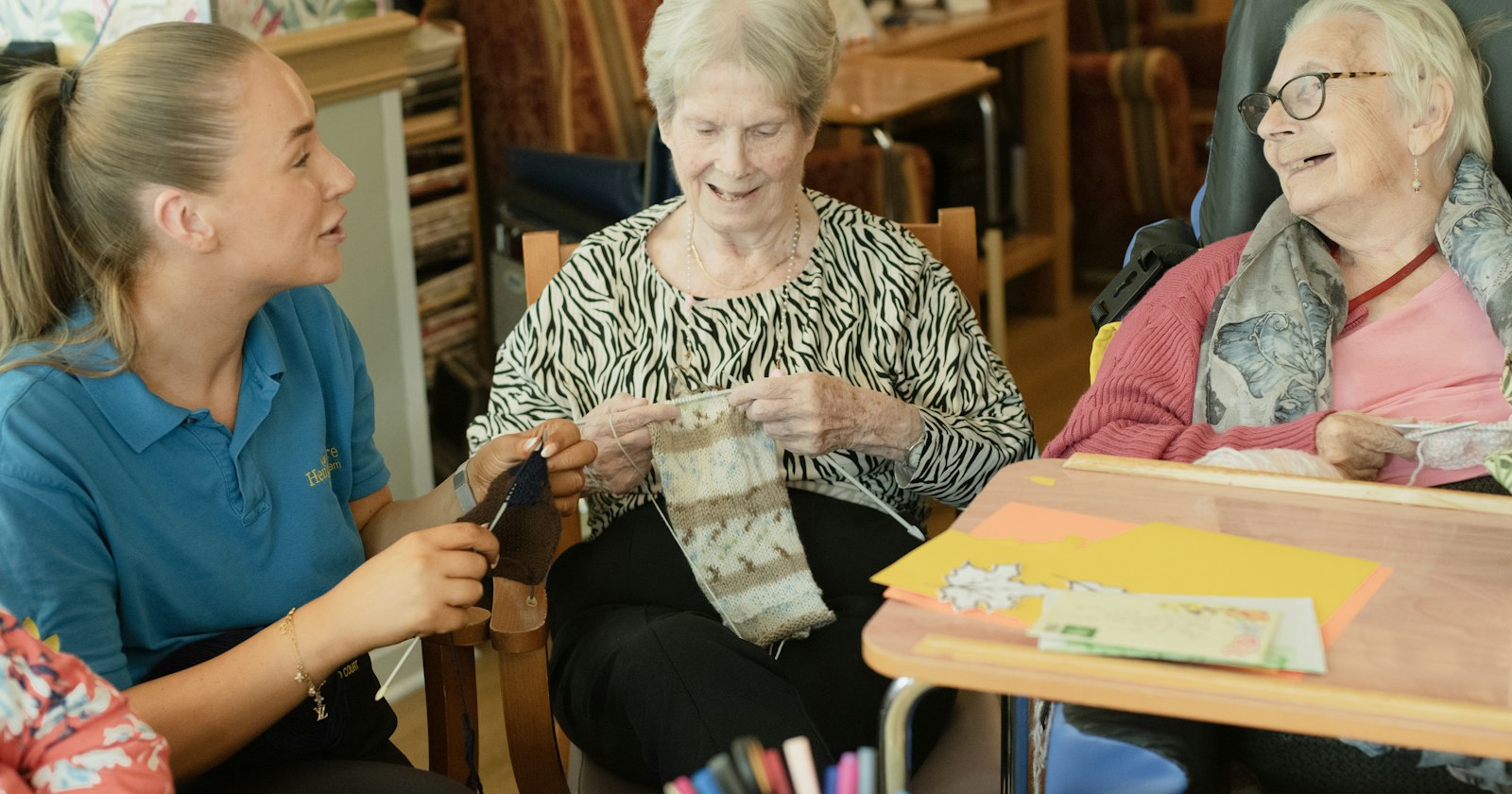
How NDIS funding creates the need for support workers
Each NDIS participant has a plan with funding for the supports they need. Depending on the plan, funding may cover:
- Assistance with daily life: personal care, meals, household tasks and daily routines;
- Assistance with social, economic and community participation: going out into the community, social activities, work and study;
- Transport: getting to appointments, activities and work;
- Supported Independent Living (SIL): 24/7 support in shared homes; and
- Capacity building: building skills, independence and connection with the community.
The provider delivers these supports through its workers. The type of support the provider delivers decides what kind of worker it really needs, and that is where many sponsorship problems start.
The main problem: frontline care occupations are not on the standard 482 and 186 lists
Most frontline disability and personal care roles fall under these occupations:
| Common job titles | ANZSCO occupation | Standard 482 Core Skills / 186? |
|---|---|---|
| Disability support worker, support worker, personal carer, carer | Aged or Disabled Carer (423111) | Not available |
| Personal care assistant (PCA), personal care worker | Personal Care Assistant (423313) | Not available |
| Assistant in nursing (AIN), nursing support worker | Nursing Support Worker (423312) | Not available |
| Community worker, community participation worker | Community Worker (411711) | Available |
| Residential care officer (group homes, SIL) | Residential Care Officer (411715) | Available |
Because Aged or Disabled Carer, Personal Care Assistant and Nursing Support Worker are not available for the standard 482 Core Skills stream or the 186 visa, many providers nominate their support workers as Community Workers instead. This can be correct, but only when the duties genuinely match. When they do not, the nomination is refused.
Job title versus duties: why Community Worker nominations get refused
The Department of Home Affairs does not decide the occupation by the job title. It looks at the scope of the duties. A worker can be called a “Disability Support Worker” and still be accepted as a Community Worker if the duties genuinely involve community work. But if the duties are mainly personal care, the nomination is likely to be refused, whatever the title.
| Duties that point to Community Worker (411711) | Duties that point to Carer or PCA (423111 / 423313) |
|---|---|
| Supporting participants to take part in community, social and recreational activities | Showering, toileting, dressing and personal hygiene |
| Capacity building and life skills development | Feeding and meal assistance |
| Connecting participants with community services and programs | Manual handling and transfers |
| Planning activities and goals with participants and families | Bed making, laundry and cleaning |
| Advocacy, referrals and liaison with services | Following a care plan in an aged care facility |
| Case notes, progress reports and goal tracking | Routine observations and reporting to nurses |
For example, a worker whose experience is mainly as a PCA in an aged care facility may have no community development, community participation or capacity building duties at all. Nominating that worker as a Community Worker, without genuine evidence of community work, often leads to refusal.
Common mistakes that lead to refusal
- Choosing the occupation by job title: nominating Community Worker because it is on the list, when the real duties are personal care.
- Copying ANZSCO tasks into the position description: a position description that repeats ANZSCO, but does not match the provider’s actual services or the participants’ plans.
- The provider’s services do not include community work: a provider that only delivers personal care or SIL, with no community participation or capacity building services, cannot easily justify a Community Worker.
- The worker’s experience does not match: previous work was aged care personal care, with no evidence of community work, and the employment references describe personal care duties.
- Qualifications that do not fit: for example, only a Certificate III in Individual Support (Ageing) and no community services qualification or experience.
- No genuine full-time position: not enough participants, funded hours or rosters to show a full-time, ongoing role.
- Weak business evidence: no NDIS registration or service agreements, few participants, or financial statements that do not show the provider can pay the salary.
- Salary problems: the wrong SCHADS Award classification, or a salary below the market rate or the Core Skills Income Threshold.
- Labour market testing that does not match: ads for a “Support Worker” used to support a Community Worker nomination, or ads with different duties or no salary.
- Inconsistent documents: the contract, position description, references and the visa application describe different duties.
The most feasible pathways for support workers, PCAs and carers
If the worker’s genuine duties are personal care, the safest approach is not to force the position into Community Worker, but to use a pathway designed for care occupations:
| Pathway | Who it suits | Key points |
|---|---|---|
| Aged Care Industry Labour Agreement | Approved aged care providers sponsoring personal care workers, PCAs and carers | Covers Aged or Disabled Carer, Personal Care Assistant and Nursing Support Worker, with concessions. Requires the provider to meet the agreement’s conditions, including union consultation |
| Designated Area Migration Agreement (DAMA) | NDIS and care providers in regional areas such as Far North Queensland (Cairns), Townsville, the Northern Territory, South Australia and other DAMA regions | Many DAMAs list Aged or Disabled Carer. Offers 482 and 494 regional visas, concessions, and a pathway to permanent residency |
| Company-specific labour agreement | Larger NDIS providers with ongoing shortages of support workers | The provider applies for its own agreement with strong evidence of need, recruitment efforts and consultation |
| Standard 482 Community Worker or Residential Care Officer | Workers whose genuine duties are community work or residential care supervision | Only when the duties, experience and evidence clearly match the occupation |
Regional sponsorship is often the strongest option for frontline care workers. Read our guide to disability support worker visa sponsorship in Cairns and Townsville.
How to make a strong NDIS sponsorship application
- Choose the occupation based on the real duties, not the job title.
- Write a position description that reflects the provider’s actual services and participants’ plans.
- Provide a genuine position statement explaining the business need, participants, funded hours and rosters.
- Show the organisational chart, including team leaders, coordinators, support workers and community workers.
- Make sure the worker’s employment references and experience match the nominated occupation.
- Use the correct SCHADS Award classification and a salary at or above the market rate. See our guide to the annual market salary rate.
- Run labour market testing for the same position, with the same title, duties and salary.
- Keep every document consistent: contract, position description, references and visa application.
Frequently asked questions
Can a disability support worker be sponsored on a 482 visa?
Not as an Aged or Disabled Carer under the standard 482 Core Skills stream. A disability support worker can be sponsored as a Community Worker only if the duties genuinely match. Otherwise, a labour agreement or DAMA is usually needed.
Can a personal care assistant (PCA) get employer sponsorship?
Yes, usually through the Aged Care Industry Labour Agreement (for approved aged care providers) or a DAMA in a regional area, rather than the standard 482.
Why was my Community Worker nomination refused?
Common reasons are that the duties were mainly personal care, the worker’s experience did not match community work, the provider’s services did not include community participation, or the documents were inconsistent.
Is regional sponsorship easier for support workers?
Often, yes. Several DAMAs include Aged or Disabled Carer and offer concessions, which makes regional NDIS and care providers the most practical sponsors for frontline support workers.
Get advice before you apply
Sleek Migration is led by Dr Majid Panahandeh Fard, Registered Migration Agent (MARN 2418637). We work with NDIS providers across Australia on Community Worker nominations, DAMA, labour agreements, refusal reviews and sponsorship compliance. Read also our guide to NDIS provider sponsorship.
Contact us: 2703/31 A’Beckett Street, Melbourne VIC 3000 | info@sleekmigration.com | Book a consultation
This article is general information only and is not legal or migration advice. Occupation lists, labour agreements and DAMA settings change regularly, and every application is assessed on its own facts. Information checked November 2026.